
The most perfect, best vanilla sheet cake around! This recipe uses simple household ingredients that create a cake that's soft, spongy, and moist enough to rival any box mix or bakery. The cake itself is so easy to whip up and it's made even easier by baking it as one single layer. It's topped with a homemade fluffy vanilla buttercream frosting for the perfect companion to a classic dessert.

what makes this vanilla sheet cake so incredible?
I've made and tested a lot of vanilla cakes. Vanilla cake was surprisingly a difficult recipe to perfect, but I'm so happy to say that this recipe is truly spectacular! It uses simple ingredients that you probably already have at home and uses an equally simple technique to make it. It produces a cake with an identical texture to boxed cake mix but it tastes MUCH butter and is all natural. Here are a few of the key features that make this cake so good:
Reverse creaming - I've gushed about this method so many times before and it's still one of my favorite ways to make a cake. It's not only easier but it also helps give this cake a box mix style texture and bounce. This method simply involves mixing the fat (in this case, butter and oil) directly into the dry ingredients before adding in the wet ingredients. The fat coats the gluten in the flour and inhibits its development - and it's gluten development that causes cakes to bake up dense, chewy, and dry. So in short, reverse creaming makes the cake more tender, soft, and protects the cake against accidental overmixing.
Cornstarch - Adding a bit of cornstarch to the cake (instead of just using all flour) will further help reduce the amount of gluten development - because there's no gluten in cornstarch. Gluten development contributes to more structure - which is great for breads, but can cause cakes to end up tough. When compared to flour, cornstarch also has double the absorption power, meaning we can use less without compromising the consistency of the batter. This creates a lighter and spongier cake as a result.

Butter AND oil - Butter adds incredible flavor, but it can be drying. Since butter sets and firms up at room temperature, it can harden the cake. The simple solution is to include some neutral flavored oil (like vegetable, canola, or peanut oil). Oil remains liquid at room temperature which will keep the cake soft and spongy even after it cools down and the sugars and fats resolidify. So if it's so great, why not use just oil? Using all oil may sound good in theory and it works great in cakes that have a stronger flavor profile, but when it comes to something with a more delicate taste like a vanilla cake, it would just taste oily and unpleasant. Using both butter and oil provides the perfect balance of taste and texture!
Water & sour cream - Boxed cake mixes usually use water and this can also be beneficial when making a homemade vanilla cake! The water helps thin the batter slightly and is less fatty when compared to milk, so it helps give the cake a lighter crumb. That's also one of the reasons why water is a key ingredient in my homemade chocolate cake! Because we're losing a bit of richness, I included a little extra sour cream to compensate. The combination makes the texture of this cake perfectly light and tender without compromising on the richness or flavor.
Vanilla - One of the best things about making your own vanilla cake at home is the infinitely better flavor you get - and that's thanks to using REAL vanilla. For the best flavor, make sure to use pure vanilla extract or vanilla bean paste. This recipe uses one FULL tablespoon of paste for plenty of flavor (and pretty little vanilla bean speckles) but you can also use vanilla extract in its place. Since it's the star of the show, it's particularly important to make sure you're using a good quality bottle of vanilla. You can also scoop out the beans from a fresh vanilla pod if you're feeling extra fancy.


how to make vanilla sheet cake
Aside from the incredible flavor and texture of this cake, baking it up sheet cake style also makes the whole process super easy. You don't need to stack and layer cakes and decorating is a breeze (again, because it's literally one layer). Whipping up the cake batter can be summed up in 3 simple steps: dry, wet, combine. The full recipe details can be found towards the bottom of this page, but here's a quick look at the process of making this batter:
- Dry ingredients & fats - To start, the butter is mixed into the dry ingredients until it's super fine and crumbly followed by the oil. Once both the butter and oil are mixed in, you'll have a mixture that kind of looks like wet sand.
- Wet ingredients - Next, the wet ingredients are all whisked together in a separate bowl. Now the batter is ready for the final stretch.
- Combine - All that's left to do is combine the wet and dry ingredients together. In order to ensure it combines properly, the wet ingredients are whisked into the dry ingredients in 3 stages. This gradually loosens up the batter and makes it easier to combine everything smoothly.

tips for making a perfect vanilla sheet cake
- Flour - This is one of the most common baking mistakes... like ever! Whenever you're measuring flour, the best and most accurate method is to use a kitchen scale and weigh it. If you do prefer to use cups, never scoop the cup directly into your bag of flour otherwise it will pack the flour in and can leave you with more weight worth of flour! Instead, use a spoon to lightly fluff the flour then spoon scoops into the measuring cup.
- Room temperature - In order to ensure the batter (and frosting) come together smoothly, make sure to bring all of the ingredients up to room temperature. This usually takes about 1 hour of sitting on your counter but that depends on the season / how warm your home is.
- Baking & cooling - You know when it's time to pull the cake out of the oven when the surface is puffed and a skewer inserted into the center comes out clean of any batter but still with a few moist cake crumbs. Once baked, allow the cake to FULLY cool before frosting otherwise the buttercream will melt.
- Frosting - When measuring the sugar for the frosting, the same idea applies as measuring flour! Its texture is similar to flour so it behaves the same way - it condenses and packs in if a measuring cup is scooped directly into the bag. So powdered sugar is also best measured by weight or by spooning it into the measuring cup. Measuring the sugar accurately ensures the frosting is perfectly sweet!
- Storage - If you're wondering how to store vanilla cake, you can leave it at room temperature or kept in the fridge. Make sure to keep the cake covered and avoid slicing it until before you want to serve it - the less air the cake is exposed to, the longer it'll stay moist. It'll keep for about 3-4 days at room temperature or 1 week in the fridge. If you do keep the cake in the fridge, I would let it come back up to room temperature before serving so it's nice and soft - the fats and sugars solidify in the fridge and can make the cake and frosting hard.

check out these other sheet cake recipes!
• Moist Spice Cake
• Chocolate Sheet Cake
• Strawberry Sheet Cake
• Banana Sheet Cake
• Chocolate Chip Cookie Sheet Cake
• Pumpkin Sheet Cake
Lastly, if you made this or any of my recipes, be sure to leave a comment and review below! I love hearing your thoughts! Also tag me on Instagram @eatsdelightfulblog so I can see what you're making.
Print
BEST Vanilla Sheet Cake
- Total Time: 1 hour 50 minutes
- Yield: 1 (9x13") cake
Description
This PERFECT vanilla sheet cake is SO moist, SO soft, and SO easy to make with a fluffy buttercream frosting made from scratch to top it off.
Ingredients
Vanilla Cake:
- 2 ½ cups (325g) all-purpose flour, spooned and leveled
- 2 tbsp cornstarch
- 1 ½ cups (300g) granulated sugar
- 1 tsp baking powder
- ½ tsp baking soda
- ½ tsp salt
- ½ cup (115g) unsalted butter, room temperature
- ½ cup (120g) vegetable oil
- ⅓ cup (80g) water, room temperature
- 1 cup (250g) full fat sour cream, room temperature
- 3 large eggs, room temperature
- 1 tbsp vanilla bean paste or extract
Vanilla Buttercream Frosting:
- 1 cup (225g) unsalted butter, room temperature
- 4 cups (440g) powdered sugar
- pinch of salt
- 2 tsp vanilla bean paste or extract
- 3-4 tablespoon milk, room temperature
Instructions
Vanilla sheet cake:
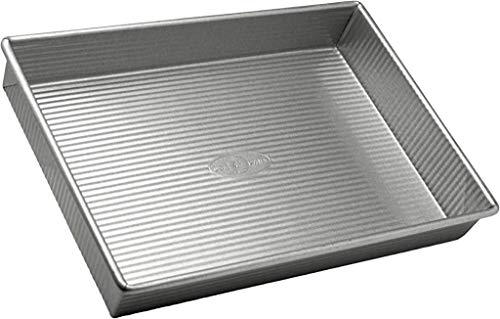
- Preheat your oven to 350F. Grease a 9x13" baking pan and line the bottom and sides with parchment paper. Set aside.
- In a large bowl, combine flour, cornstarch, sugar, baking powder, baking soda, salt, and butter.
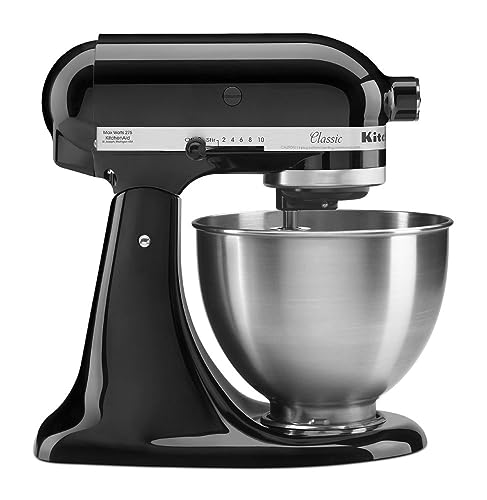
- Use an electric mixer fitted with the paddle attachment to cut the butter into the dry ingredients until the mixture is very fine and crumbly.
- Add the oil into the dry ingredients and mix until well incorporated. It should resemble wet sand.
- In a separate medium sized bowl, whisk together water, sour cream, eggs, and vanilla to combine.
- Add the wet ingredients into the dry ingredients in three additions. Mix to combine before adding in the next third. Make sure to scrape down the bottom and sides of the bowl after each addition to ensure everything combines evenly.
- Pour the cake batter into your prepared baking pan and bake in the center of your preheated oven for 30-35 minutes or until a skewer inserted into the center comes out clean with a few moist crumbs.
- Cool the cake completely to room temperature before frosting.
Buttercream frosting:
- In a large bowl, combine butter, powdered sugar, and salt. Use an electric mixer fitted with the paddle attachment to mix together on low speed until the sugar is dissolved.
- Scrape down the bottom and sides of the bowl then add in the vanilla and 3 tablespoons of milk.
- Mix again on low speed to combine then raise the mixer to high speed and whip for about 1-2 minutes or until light and fluffy.
- Frost the cooled cake with the buttercream then slice and serve!
- Prep Time: 20 minutes
- Cook Time: 30 minutes
- Category: Cakes, Dessert
- Method: Baking

Enjoy!
jedi says
can u use yogurt instead of sour cream
Mimi says
Absolutely! You would just need to also mix 1 tablespoon of white or apple cider vinegar into the yogurt to make up for the lost acidity. 🙂